
- Knowledge Centre
What Are Good Team Building Events?
Team building events play a crucial role in shaping a cohesive, productive, and motivated workforce. When designed well, these activities help colleagues understand each other better, improve communication, and foster a collaborative culture. In this post, we explore a range of effective team building events and how to choose the right ones for your organisation.
Why invest in team building events?
Team building events offer more than just a fun break from the usual routine. They provide structured opportunities to:
Enhance communication and trust among team members
Break down silos and encourage cross-department collaboration
Boost morale, emotional engagement, and commitment
Develop problem-solving and leadership skills in a low-risk setting
Create shared experiences that reinforce organisational values
By investing in team building events, your organisation can align teams around common goals and improve overall performance too.
In-person team building events that work
Outdoor challenges and problem-solving
Outdoor activities such as obstacle courses, treasure hunts, or problem-solving quests encourage teamwork in a dynamic environment. They require clear roles, effective communication, and quick decision-making, all while reinforcing a sense of camaraderie.
Escape rooms
Escape rooms are a popular choice for team building events because they combine collaboration, time pressure, and creative thinking. Teams must distribute tasks, share information efficiently, and manage stress to “escape” within the allotted time.
Volunteer days
Giving back through corporate volunteer days can unite teams around a shared social purpose. Working together on a community project fosters empathy, strengthens relationships, and enhances the company’s reputation.
Team lunches and collaborative workshops
Less adrenaline-fuelled but highly effective, team lunches or collaborative workshops focus on building rapport in a relaxed setting. Activities can include brainstorming sessions, cross-functional job shadowing, or shared learning experiences.
Remote-friendly and hybrid options
Virtual escape rooms and online challenges
When teams are dispersed, virtual activities can maintain connection and collaboration. Virtual escape rooms, online scavenger hunts, and collaborative online games require clear communication and simultaneous engagement.
Online problem-solving workshops
Facilitated online workshops can simulate real-world challenges. Breakout rooms, shared documents, and rotating facilitators keep energy high and ensure participation across time zones.
Co-created digital experiences
If your team is spread across locations, consider digital experiences that require collaboration, such as mock project sprints, co-authored roadmaps, or virtual hackathons.
Activities aligned with learning and development
Skills-based challenges
Choose activities that build transferable skills like leadership, conflict resolution, or creative thinking. For example, role-playing scenarios, negotiation exercises, or design sprints.
Innovation and ideation sessions
Structured ideation sessions, such as design thinking workshops or rapid prototyping sprints, can yield tangible outputs while strengthening team cohesion.
Feedback and retrospective sessions
Incorporate feedback loops and reflective practices. Regular retrospectives help teams identify what works, what doesn’t, and how to improve collaboration.
How to choose the right team building events
Assess goals and culture
Start by identifying what you want to achieve (communication, trust, innovation, or cross-functional collaboration) and consider your organisation’s culture and constraints.
Consider time, budget, and logistics
Practical considerations include the duration of the event, the venue, the number of participants, and any accessibility needs.
Balance fun with purpose
Aim for activities that are enjoyable but also provide actionable takeaways. The best team building events blend engagement with clear learning outcomes.
Gather feedback
After the event, collect feedback to assess impact and inform future planning. Continuous improvement is key to successful team building.
Measuring the impact of team building events
Short-term indicators
Participation rates and engagement during activities
Immediate takeaways and alignment with goals
Medium-term indicators
Observed changes in collaboration, communication, and problem-solving at work
Improved cross-team project outcomes
Long-term indicators
Employee satisfaction, retention, and overall performance metrics
Final thoughts
Good team building events are those that align with your organisational goals, fit your culture, and deliver tangible benefits.
By combining in-person activities, remote-friendly options, and learning-focused experiences, you can create a programme that strengthens relationships, boosts performance, and embeds a collaborative mindset across the organisation. Prioritise clarity of purpose, thoughtful logistics, and ongoing feedback to ensure your team building events continually drive meaningful outcomes.
Find out more about customised team building events call us on 0845 052 3701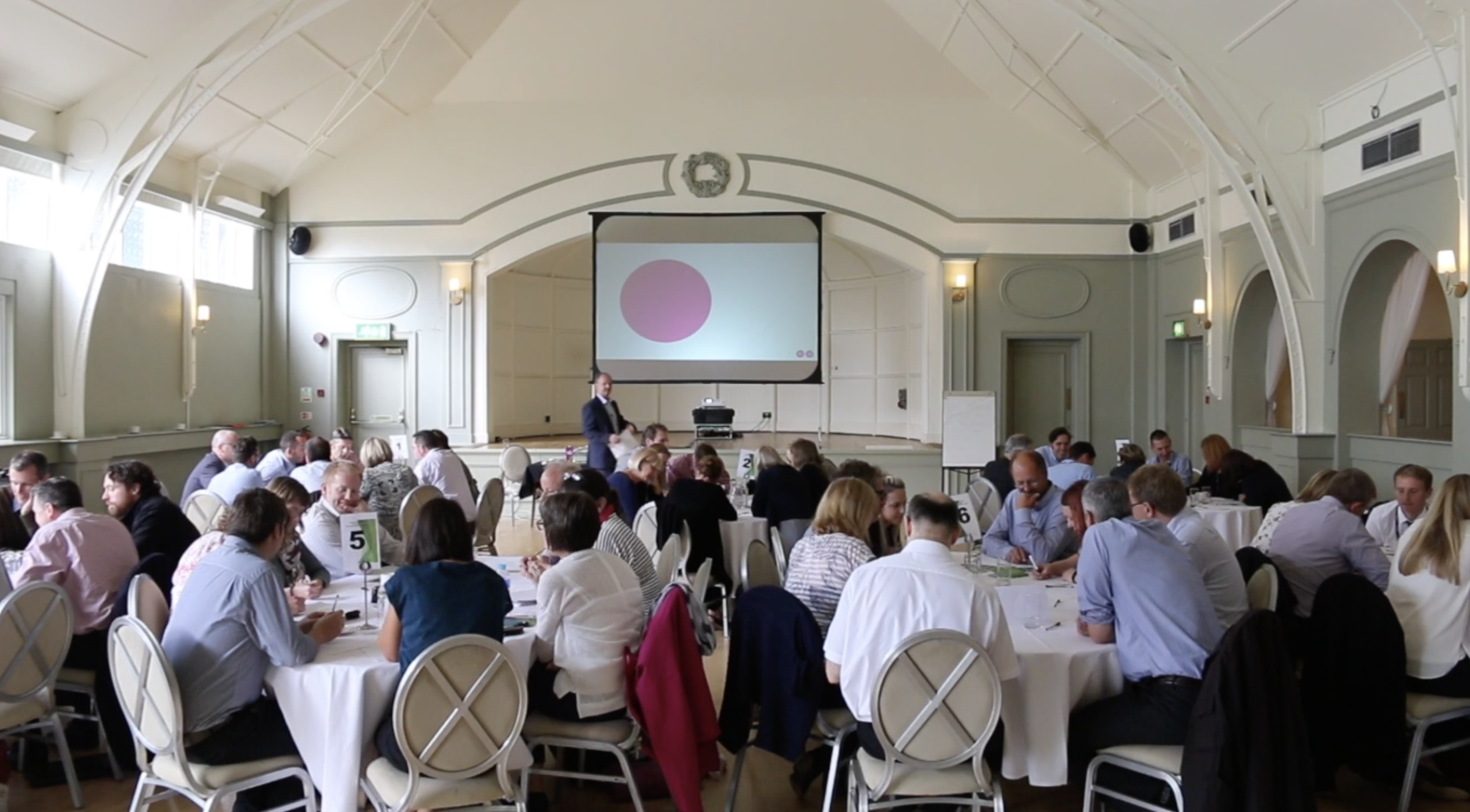
/f/129040/2516x1360/bc81b9159a/emotional-intelligence-coaching-for-executives.png)
How To Improve Virtual Meetings
Tips on how to improve the quality of virtual meetings.
EQ- 2.0 Certification Training Course (Online)
EQi 2.0 Certification Training online with Mr Emotional Intelligence®.
The Problem the Construction Industry Has With Emotional Intelligence
Emotional Intelligence and its role in the Construction Industry.
The specific outcomes I set for the project were delivered much more quickly than I anticipated.